If your windshield never looks completely clear even after a good cleaning, the issue may not be the products you use. That’s often a sign of windshield pitting. These tiny marks can build up slowly, and most drivers don’t realize what they’re dealing with until the problem becomes hard to ignore.
In this blog, we’ll go into the common signs of windshield pitting, the factors that lead to it, why it shouldn’t be ignored, and the options available to repair or replace the damaged glass.
What is Windshield Pitting?
Most drivers don’t realize it, but windshield pitting typically occurs when microscopic grit, road salt, and other debris collide with the glass at high speeds. These tiny marks may not seem like much on their own, but once they add up, they can noticeably reduce clarity and make it harder to see the road.
Unlike a crack or a chip, pitting isn’t caused by one sharp hit that you can hear or notice right away. Instead, it’s usually something that develops over time as small bits of debris repeatedly strike the windshield from everyday driving.
What Does a Pitted Windshield Look Like?
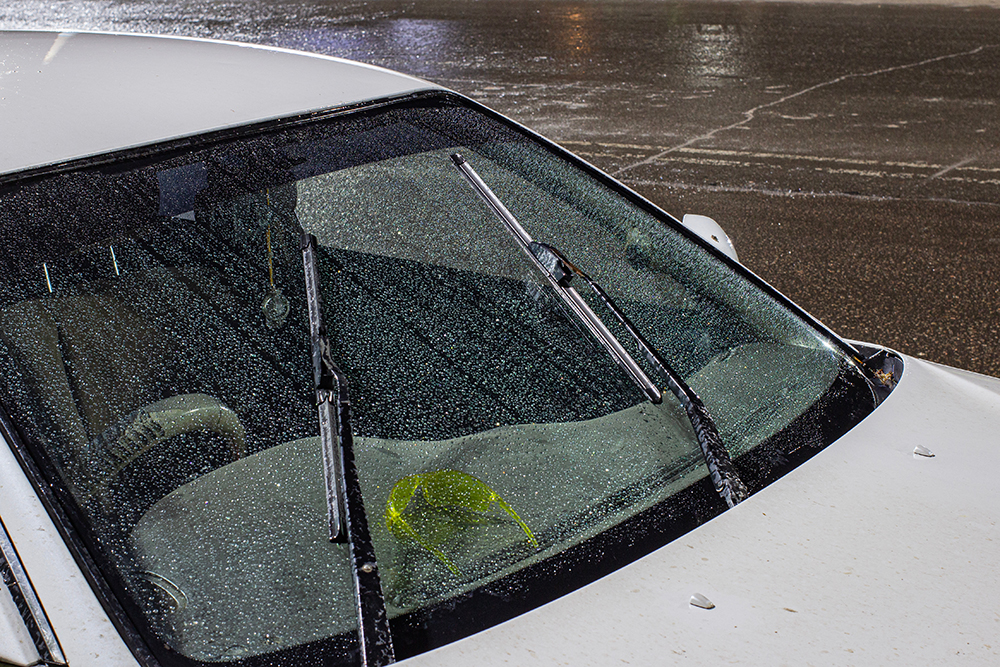
It can be challenging for some drivers to recognize pitting just by looking at the windshield. There are two types of lighting that bring out the signs most clearly: daylight, when the sun hits the glass, and nighttime, when headlights and streetlights reflect off the surface. Here’s what to look for during the day and at night:
Daytime Signs
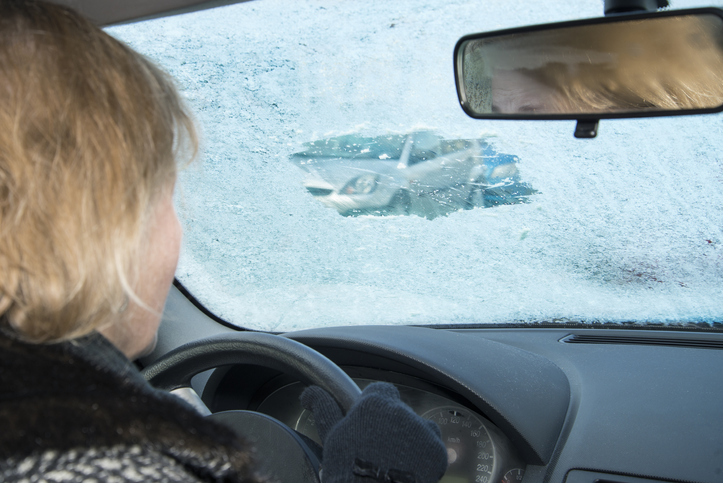
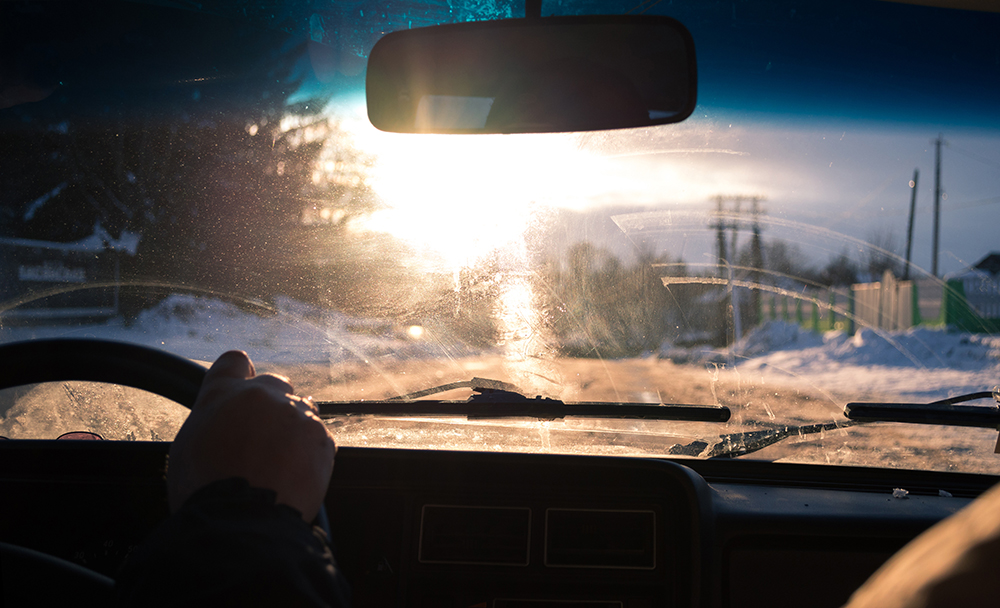
During the day, pitting becomes easier to spot when the sun hits your windshield at an angle. If you notice glare or a hazy reflection even after cleaning the glass, that’s a common sign of a worn surface. You may also see tiny “sparkles” across the windshield as light catches the pits. Running your hand gently over the exterior glass (only when the car is safely parked) can sometimes reveal a slightly rough texture.
A simple way to check for daytime pitting is to stand a few feet away from the vehicle and slowly shift your viewing angle. If the glass looks dull or scattered with small points of reflection, the surface has likely been worn down.
Nighttime Signs
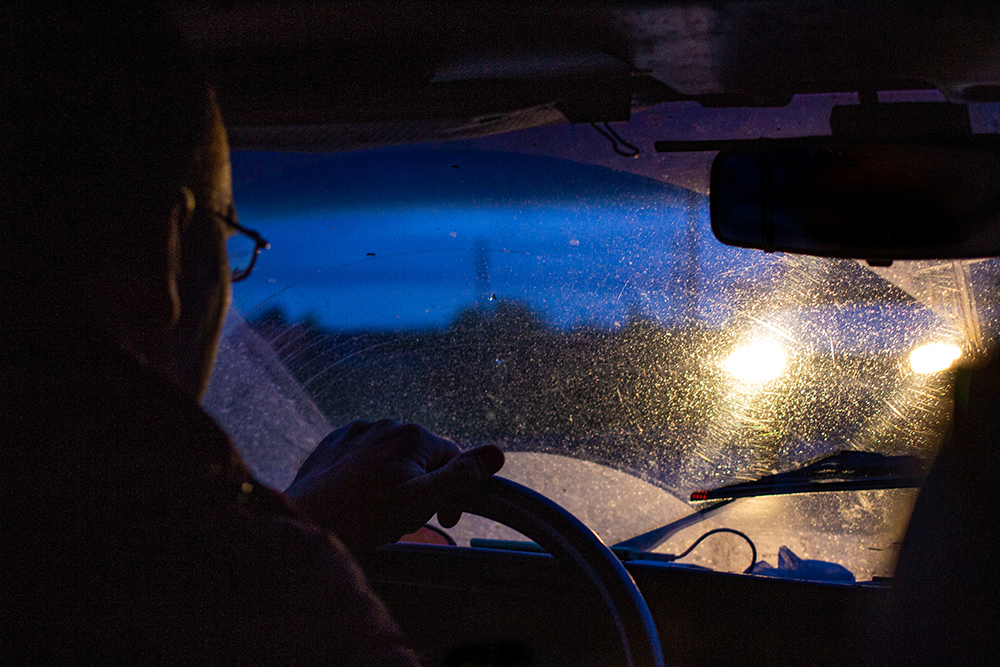
Pitting tends to stand out even more at night. Headlights and streetlights can spread across the damaged surface and create halos or starburst patterns. This scattered light can make it harder to judge distance and see the road clearly. If you notice blurred or streaky vision in heavy nighttime traffic, it’s often a sign that the windshield has become heavily pitted.
If you want to check the windshield yourself, point a small flashlight toward the glass from different angles. Pits will catch the light and appear as tiny bright dots or rough patches. This quick test helps reveal surface damage that might not be obvious during the day.
Common Causes of Pitting on Windshields
Windshield pitting is very common in Ontario because winter road treatments, heavy traffic, and frequent construction all send debris into the air. Your windshield is constantly exposed to sand, salt, and small stones. Here are the biggest factors that contribute to pitting for drivers in Brampton and the GTA.
Winter Salt & Sand Abrasion
During the winter season, most roads in Ontario are typically treated with a mixture of salt and sand to help vehicles maintain better grip on icy surfaces. While it’s necessary for safety, it also means small grains can get kicked up by traffic and gradually wear down the glass and leading to pitting.
Highway Debris & Construction Zones
Busy highways such as the 401, 410, and 407 stir up a lot of debris. Everything from tiny stones to bits of pavement can be thrown toward your windshield and create pitting over time. Construction zones only add to the problem since they often have extra gravel and loose materials on the roadway.
Heavy Truck Traffic / Tailgating
Large trucks can kick up a lot of debris because their tires pull more material off the road. If you’re driving too close behind them, your windshield is exposed to far more gravel and grit than usual. Leaving extra space helps cut down on the number of impacts.
Is Windshield Pitting Dangerous? (Yes—and Here’s Why)
It’s easy to overlook small pits compared to larger cracks or chips, as they tend to blend into the surface of the glass. However, even minor pitting can scatter light and make it harder to see clearly in certain conditions. Here are a few important reasons why you shouldn’t ignore windshield pitting:
1. Increased Glare
Pitted glass scatters sunlight and headlight beams, which can create glare and make it harder for your eyes to adjust. This is especially noticeable during sunrise, sunset, or night driving.
2. Distorted Vision
An uneven surface bends light in different directions, which can blur your view of the road. This makes it harder to judge distance and identify hazards quickly.
3. Eye Strain and Fatigue
Your eyes work harder to focus through a damaged surface. Over time, this can lead to eye strain, headaches, and reduced focus during longer drives.
4. Impact on ADAS Systems
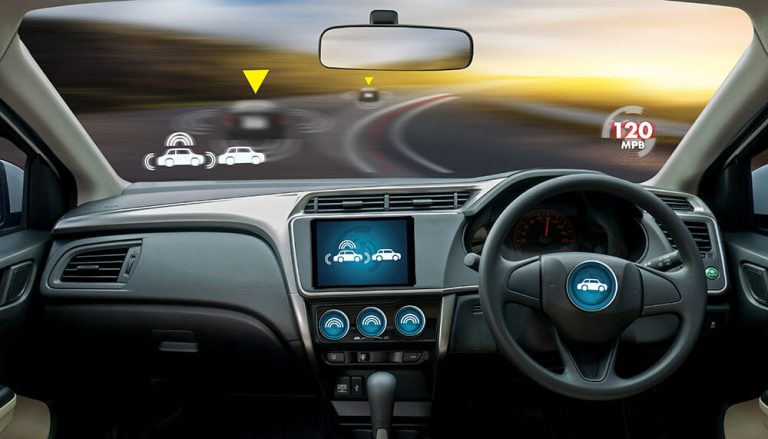
Many modern vehicles rely on cameras and sensors mounted near the windshield. Pitted glass can interfere with these systems, affecting features like lane assist or automatic braking.
5. Progressive Damage
Pitting doesn’t stop on its own. As you continue driving, the worn areas attract more debris impacts and spread across the windshield, making the problem worse.
How to Fix a Pitted Windshield (Step-by-Step Options)
Once you notice signs of pitting, the next step is to have the windshield checked by a professional. Depending on what they find, the fix may be a simple polish or a full replacement. Here’s what typically happens during the repair process.
1. Professional Inspection
A technician begins by examining the windshield under different lighting angles to see how deep and widespread the pits are. This helps determine whether the surface can be restored or if replacement is the safer option.
2. Severity Assessment
The technician checks the density of the pits and how much they affect visibility. They may also look for areas where the glass is beginning to weaken or distort light.
3. Polishing Evaluation
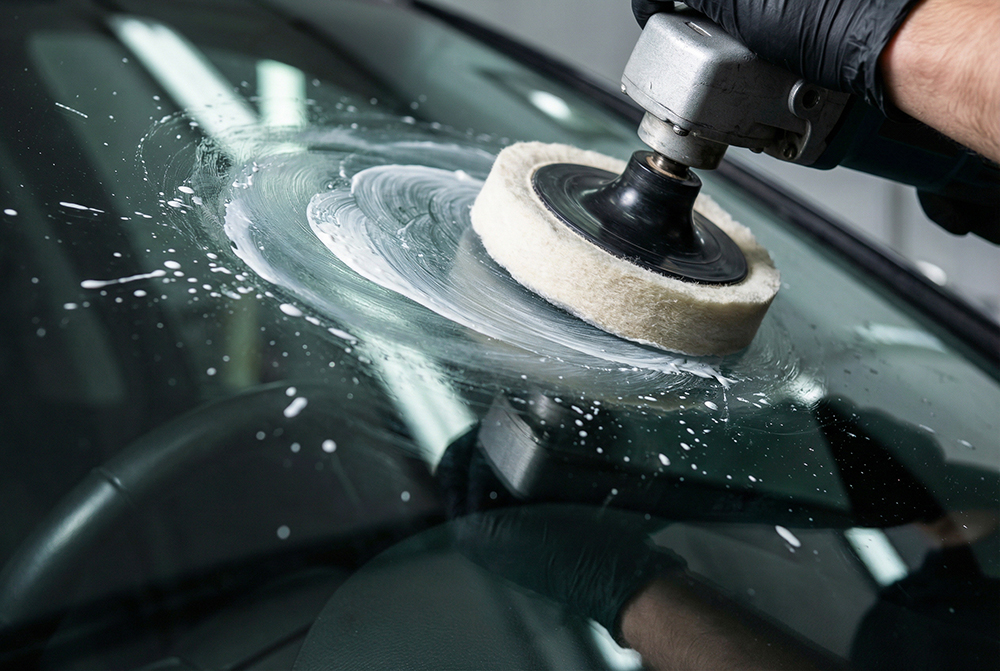
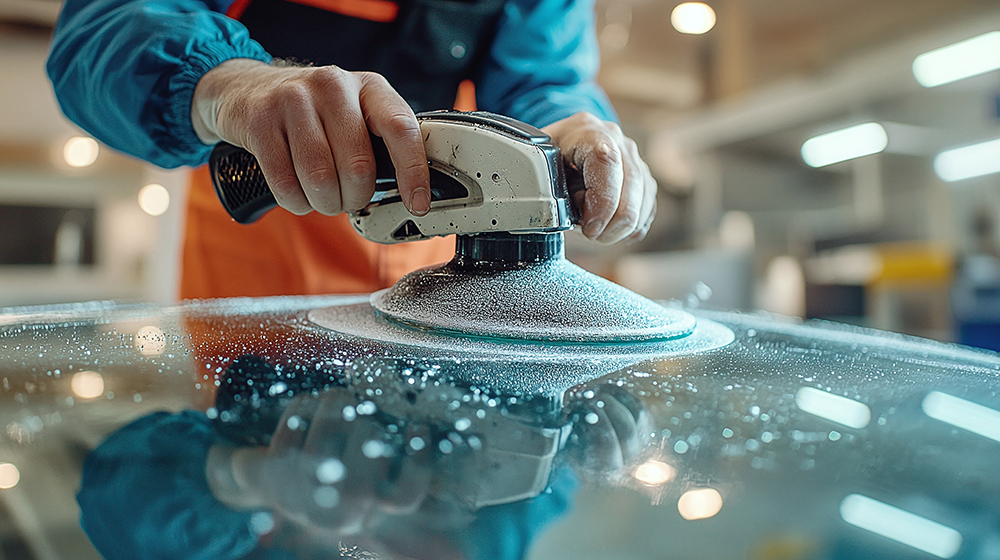
If the pitting is minor, the technician may recommend polishing. This process gently removes a thin layer from the outer surface of the glass to smooth out shallow imperfections.
4. Full Windshield Replacement
If the pits are too deep or too widespread to polish safely, the windshield will need to be replaced. This ensures clear visibility and restores the structural integrity of the glass.
5. ADAS Calibration (If Needed)
For vehicles with advanced driver-assistance systems, the cameras and sensors mounted near the windshield must be recalibrated after replacement to ensure they function properly.
6. Final Safety Check
After the repair or replacement, the technician checks the clarity of the glass, the seal, and any safety systems to make sure everything is working as it should.
Windshield Pitting Prevention Tips for Brampton Drivers
While windshield pitting can’t be avoided entirely, there are practical steps Brampton drivers can take to slow it down and protect their glass. A few small habits can make a noticeable difference in how long your windshield can stay in good condition.
1. Maintain a Safe Following Distance
Leaving extra space between your vehicle and the one ahead reduces how much debris reaches your windshield. This is especially important when driving behind trucks or on roads with loose gravel.
2. Avoid Wiping a Dry, Sandy Windshield
If your windshield is covered in dust or road salt, avoid using the wipers right away. Spray washer fluid first or rinse the glass before wiping to prevent dragging grit across the surface.
3. Be Careful Around Construction Zones
Construction areas often have loose stones and debris. Slowing down and keeping more distance from other vehicles can help limit the number of particles hitting your windshield.
4. Replace Wipers Regularly
Old or cracked wipers can grind dirt into the surface of the glass. Replacing them a few times a year helps protect the windshield from unnecessary wear.
5. Consider a Hydrophobic or Ceramic Glass Coating
A protective coating can help create a smoother surface and make it harder for debris to stick. It also improves visibility during rain and may reduce long-term abrasion.
Trust Auto Glass Pro Brampton for Expert Windshield Solutions
Windshield pitting may seem minor at first, but it can gradually impact how clearly you see the road and how comfortable you feel behind the wheel. Understanding what causes it, how to recognize it, and why it matters helps you catch early signs before they affect your visibility.
If you’re concerned about the condition of your windshield, Auto Glass Pro Brampton can help you figure out the best solution. We offer reliable inspections, high-quality replacements, and proper calibration for newer vehicles. Our team focuses on clear visibility and long-term safety, so you can drive with confidence. Get a quick online quote.
You May Also Like