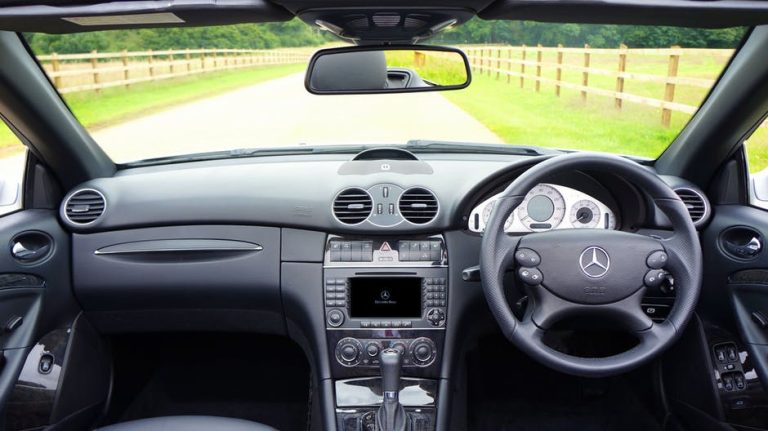
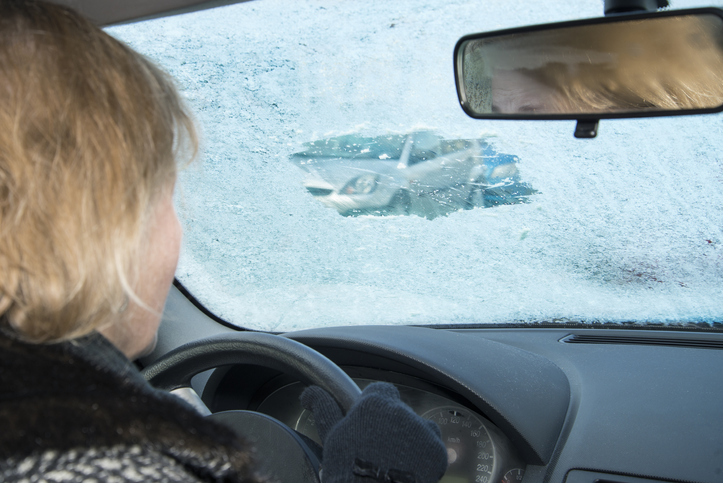
Tinted windows offer more than just a visual upgrade. They help reduce interior heat, block glare, and protect both passengers and upholstery from harmful UV rays. They also add privacy by making it harder for people to see inside your vehicle—something many drivers value on a daily basis. In hot climates or heavy traffic, window tints can make a real difference.
Just like the many varieties of auto glass used in cars today, window tints come in several types, each with specific benefits and trade-offs. Some focus on heat rejection, others on signal clarity or durability. The right choice depends on your priorities and budget. In this blog, we’ll break down the most common types of window tint so you can make an informed decision before installing one on your vehicle.
Why Window Tinting Matters
A window tint offers more utility than most drivers realize. Apart from providing shade, it plays a functional role in keeping your car cooler, especially during long summer drives or in stop-and-go traffic. By blocking infrared radiation, certain types of auto tint can lower cabin temperatures significantly and reduce the strain on your A/C system. The Skin Cancer Foundation states that when UV window film is applied to windows, it can block more than 99% of UVA and UVB light1, which helps protect both your skin and your car’s dashboard, seats, and trim from long-term damage.
Here’s what a good window tint can offer:
- Reduce interior heat by blocking infrared radiation
- Cut glare from sunlight and headlights to improve visibility
- Block UV rays that cause skin damage and interior wear
- Increase privacy by limiting interior visibility from outside
- Deter theft by hiding valuables from view
- Enhance appearance with a clean, uniform look
- A cleaner look with uniform window shading
Legal limits are especially important if you’re tinting your car in Brampton. Ontario law requires that front-side windows and the windshield must allow at least 70% of light through, which means only a light tint is permitted up front.2 Anything darker could lead to failed safety inspections or traffic stops. However, the rear side windows and the back window can be tinted as dark as you like, giving you more freedom with privacy and heat control in those areas.
Needless to say, it’s important to match your goals with options that stay within legal limits. In the next section, we’ll explore the different types of car tints and what sets each one apart.
1. Dyed Window Tint

Dyed window tint is one of the most basic kinds of window tint available. It uses a dye layer placed between the adhesive and protective outer layers to absorb sunlight. This setup helps reduce glare and offers moderate privacy, making it a popular option for drivers on a budget.
The biggest advantage is cost—dyed tint is the most affordable type of film on the market. It also darkens windows effectively, which improves privacy from the outside. However, it doesn’t perform as well when it comes to blocking heat. It absorbs rather than reflects infrared radiation, so it won’t significantly reduce cabin temperatures.
Another drawback is durability. Over time, dyed films tend to fade or discolor, especially in hotter climates or when exposed to strong sunlight daily. Most last around 3–5 years before showing wear. Still, for short-term use or minimal exposure, it’s a reasonable choice for basic sun and glare control.
2. Metalized Window Tint

Metalized window tint uses layers of microscopic metallic particles to reflect heat and UV radiation away from the vehicle. This structure not only improves temperature control but also strengthens the windows, making them more resistant to shattering. Among the various types of auto window tint, metalized film stands out for its durability and reflective performance.
This tint adds a slight mirror-like shine to the glass, which some drivers prefer for its clean, crisp appearance. It also does a solid job blocking glare and protecting interiors from UV damage.
However, the metal content can interfere with electronic signals. You might notice reduced performance with cell phones, GPS, or radio reception in some vehicles. While metalized tints are long-lasting and effective for heat control, they aren’t the best fit for drivers who rely heavily on in-car tech. For those prioritizing heat rejection and durability without the premium price tag, metalized tint offers a practical mid-range option.
3. Hybrid Window Tint

Hybrid window tint combines dyed and metalized layers to offer a balanced solution for drivers who want decent performance without a high price. This mix reduces some of the downsides found in each material when used alone. The dyed layer softens the reflective shine of the metal, giving the windows a cleaner, more neutral appearance.
Among the kinds of car tint, hybrid film stands out for its blend of benefits. It provides moderate heat and UV rejection, good glare reduction, and better durability than basic dyed films. While it does contain metal, it causes less signal interference than full metalized tints, making it a practical choice for daily drivers who still rely on GPS and mobile devices.
Hybrid tint sits comfortably in the mid-range for cost and performance. It doesn’t match the longevity or heat-blocking power of ceramic or carbon tints, but for many drivers, it offers the right mix of looks, price, and everyday function.
4. Carbon Window Tint
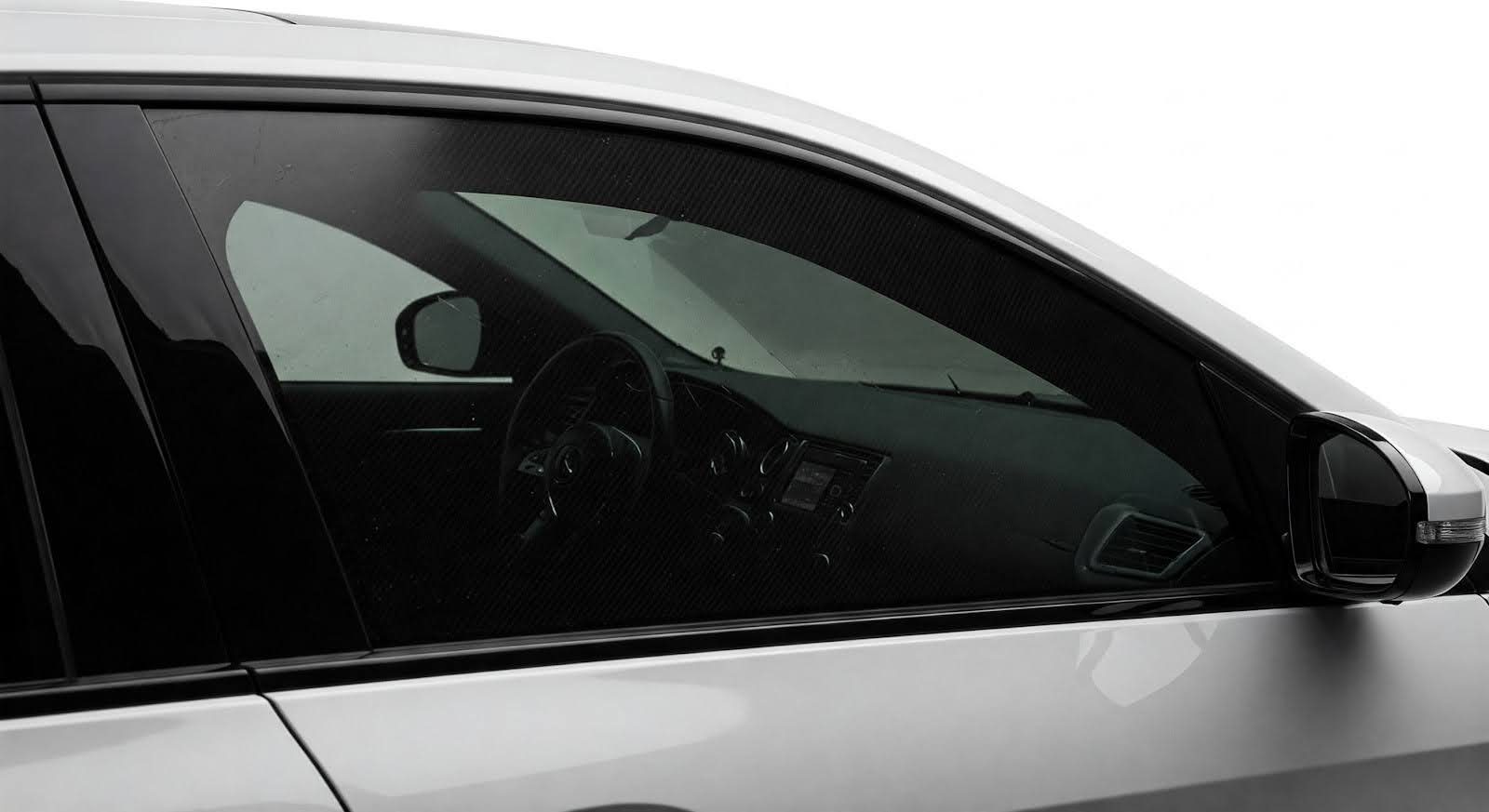
Carbon window tint uses carbon particles within the film to block infrared heat and UV rays without relying on metal. This design eliminates signal interference, making it a reliable choice for drivers who use GPS, smartphones, and Bluetooth regularly.
Carbon film blocks direct solar heat and UV rays, helping keep interiors cooler while protecting materials from fading. The matte finish gives it a clean, non-reflective appearance, which many drivers prefer over the shiny look of metalized tints.
Carbon tint costs more than dyed or hybrid films but falls below ceramic in price. It resists fading better than lower-end options and typically holds up well over time. For drivers who want better heat rejection and signal clarity without jumping to a premium film, carbon tint is a smart mid-range option.
5. Ceramic Window Tint
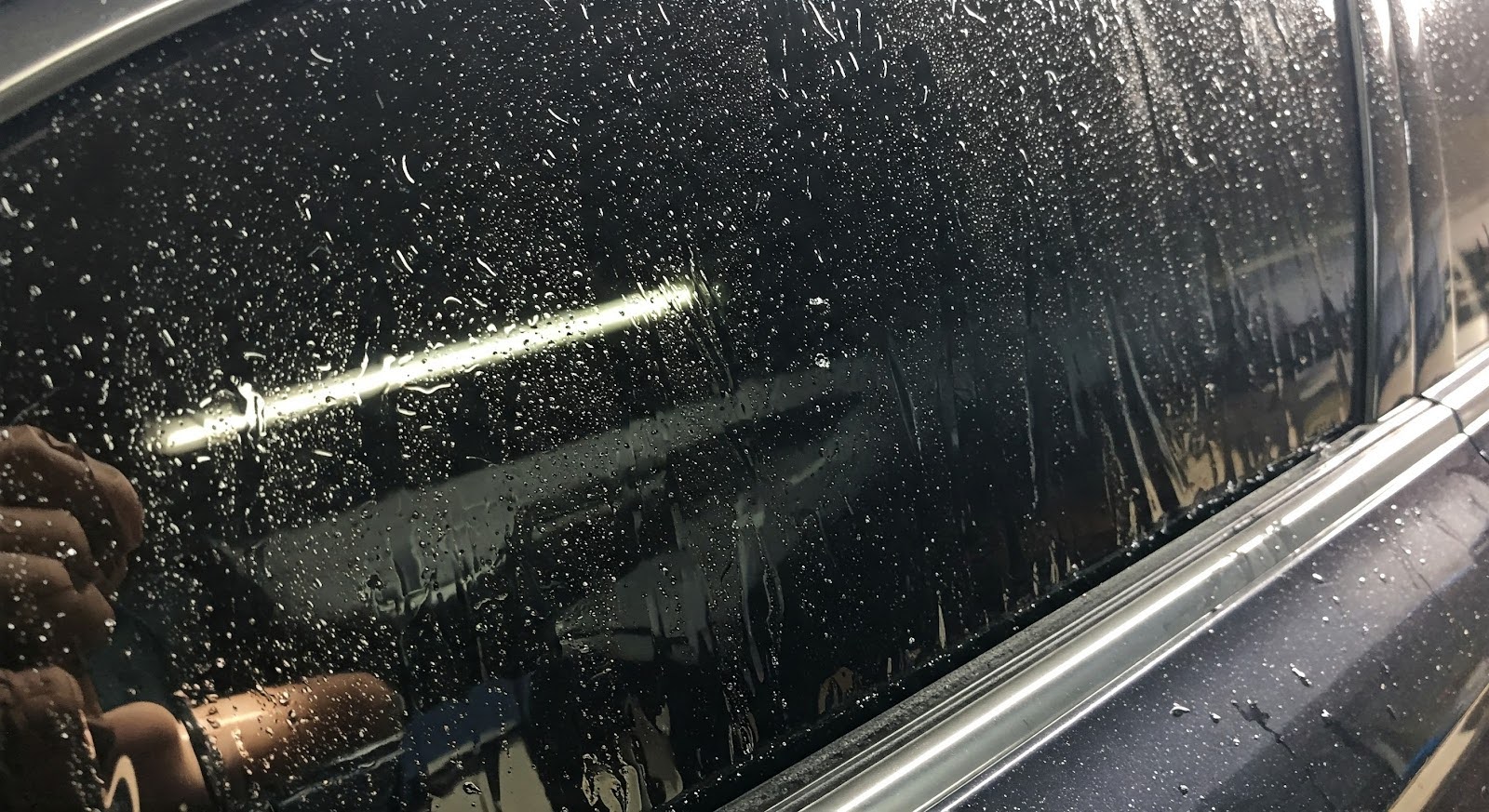
Ceramic window tint is the most advanced option among all types of window tints. It uses non-metal, nano-ceramic particles that block up to 99% of UV rays and reject more infrared heat than any other film. Unlike metalized tints, it won’t interfere with GPS, cell signals, or Bluetooth.
Drivers get maximum heat and glare reduction without sacrificing visibility. The film maintains clear sightlines both day and night, making it ideal for those who want high performance without the reflective look of metal. It also reduces interior fading and offers better skin protection during long drives.
Ceramic tint comes at a higher price, but its durability and performance justify the cost for many drivers. It resists fading, doesn’t bubble or peel easily, and often comes with extended warranties. For those prioritizing long-term value and maximum protection, ceramic is the top-tier choice in today’s window tint market.
6. Crystalline Tint
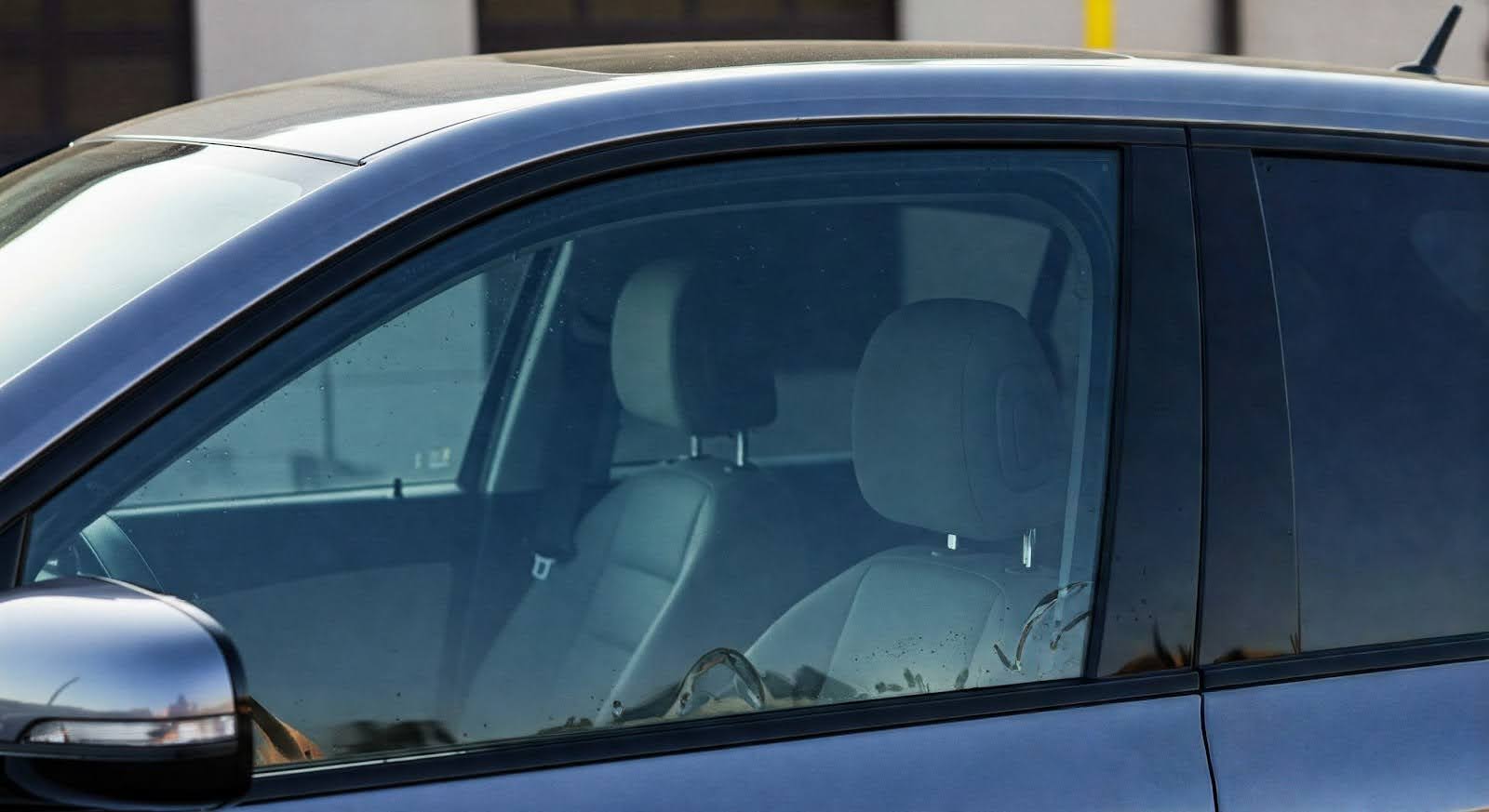
Crystalline tint is a high-tech film designed for drivers who want heat and UV protection without a dark or shaded look. It uses multiple micro-layers of optical film technology to block up to 97% of infrared heat and 99% of UV rays while remaining nearly transparent. This makes it an ideal choice in places with strict tint laws or for those who prefer maximum visibility and crystal-clear auto glass.
Unlike traditional tints, crystalline film doesn’t rely on darkness to reduce solar energy. It allows more visible light in while still offering the thermal performance of much darker films. That makes it particularly useful for windshields or front windows where darker shades may not be legal.
Crystalline tint is a niche but effective option, especially for drivers who want advanced performance without compromising on legal compliance or clarity. While it comes at a premium price, it delivers top-tier protection with a barely noticeable appearance.
What’s the Difference Between Factory Tint vs. Aftermarket Tint?
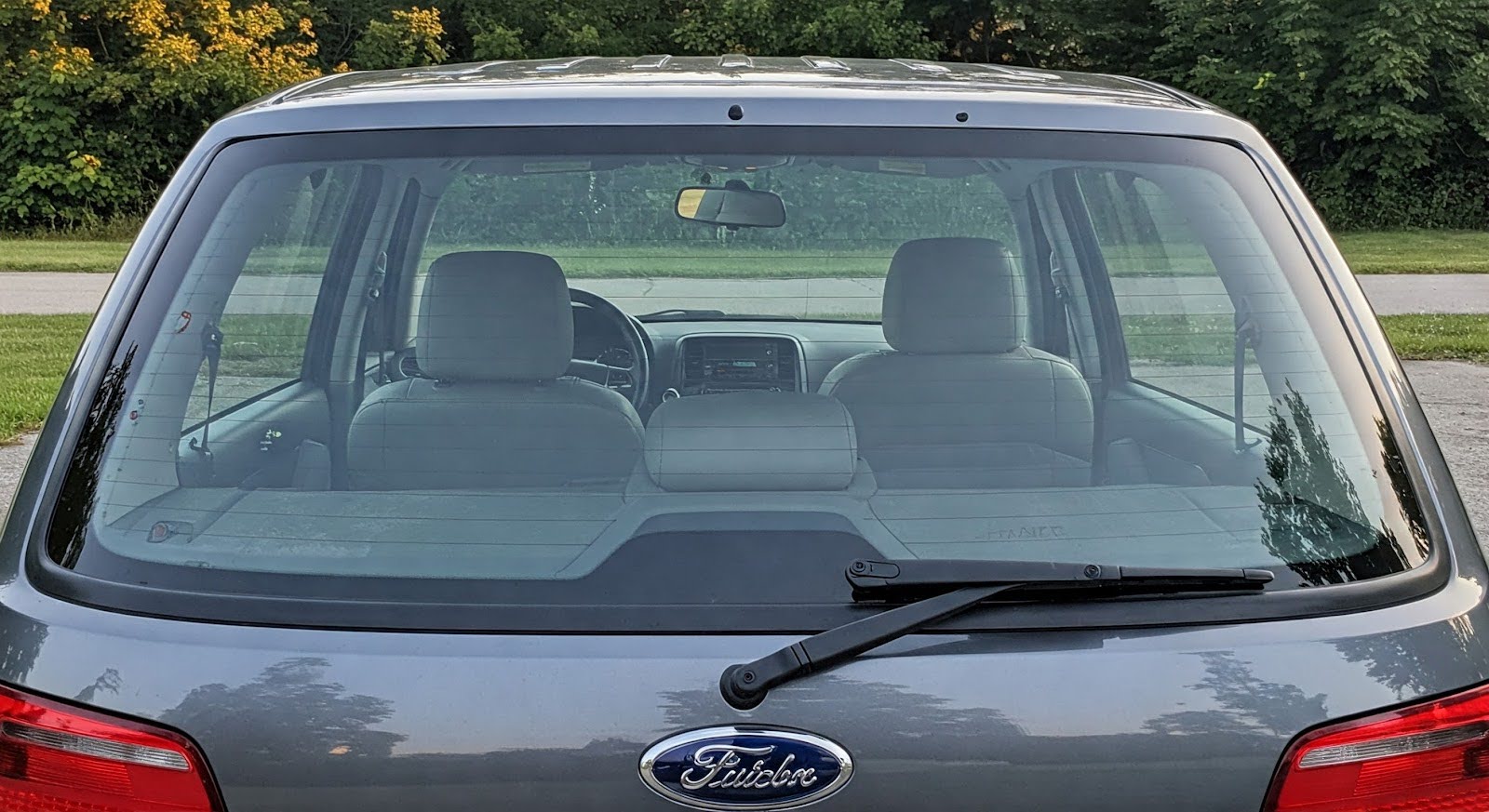
Factory tint refers to glass that has been darkened during manufacturing, not film applied after the fact. It’s baked into the glass itself, usually on rear side windows and the rear windshield. This type of tint helps with glare and offers some visual privacy, but it provides minimal UV and heat rejection. The tint level is often between 15–26% visible light transmission (VLT), which may look dark but lacks actual solar protection.
Aftermarket tint, on the other hand, refers to any window film that’s applied after the vehicle leaves the factory. It’s a broader category that includes all types of window tint previously discussed. Some car tints can block up to 99% of UV rays and significantly reduce heat and glare. Aftermarket options also offer more control over appearance and light transmission levels.
Drivers looking for real protection against sun exposure and interior damage should consider aftermarket film, even if their vehicle already has factory tint on the rear windows.
Wrap Up Your Tint Options the Smart Way
If you’re serious about getting the most out of your tint, whether it’s for UV protection, heat control, or visibility, choosing the right type matters. Each film offers trade-offs, and the best option depends on your goals, budget, and local regulations. A quality tint not only improves driving conditions but also helps preserve your vehicle over time.
Wanting to protect your vehicle from heat, UV exposure, and glare goes beyond window tint. Even with the best tint film, road debris and weather can still damage your glass—and that’s where we come in.
At Brampton Auto Glass, we specialize in fast, reliable auto glass repair. If your windows are chipped or cracked, we’ll assess whether a simple repair is possible before recommending a full replacement. We offer free mobile service, work with most insurance providers, and often cover up to 100% of your deductible. Our certified technicians use high-quality, eco-friendly repair methods, and we back our work with a lifetime warranty. Let’s keep your vehicle protected and looking its best—from tint to glass.
You May Also Like